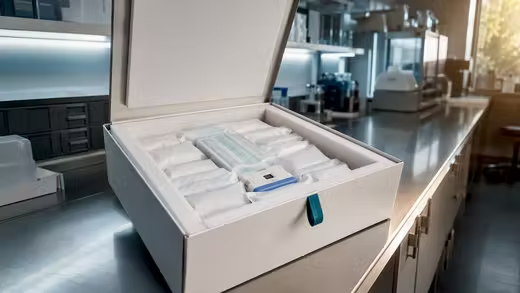
Researchers: Peptide Cold Chain SOP for 2 °C to 8 °C and Overnight Transit
SOP for researchers and suppliers mapping formulation to transit window, pack-out, carrier choice, and monitoring. Includes 2 °C to 8 °C guidance and QA...
RapidCore Bio’s research blog brings together educational material on peptide terminology, laboratory documentation, supplier evaluation, and the limits of published evidence. Each article focuses on a specific topic and should be read in light of the methods, models, and sources it describes. Findings from one cell system, animal model, or study design do not establish the same result in another setting. Use these posts as background reading, then consult cited primary literature and your institution’s approved procedures when planning nonclinical research.
The library includes guides to certificates of analysis, research-use labeling, peptide chemistry, stability, and general study design, alongside explainers on individual compounds. Product and supplier pages provide separate listing and policy information. All products are offered for research use only and are not intended for human or animal consumption, medical use, diagnosis, or treatment.
Check publication dates and references when evaluating topics where evidence is still developing. These articles are educational resources, not medical guidance or protocols, and do not establish that a product is appropriate for clinical or personal use. Browse the posts below, the Research Handbook for terminology, or the COA library for available product documents.
SOP for researchers and suppliers mapping formulation to transit window, pack-out, carrier choice, and monitoring. Includes 2 °C to 8 °C guidance and QA...

Review what BPC-157 tissue-repair studies measure, including fibroblast migration, vascular signaling, tendon models, and the limits of human evidence.

What to check before you order research-use-only peptides: shipping timelines, packaging, what to do when a package arrives, and how returns usually work.

Learn how to judge peptide research, spot red flags on supplier pages, and tell evidence from hype, with plain-English checks and trusted U.S. sources.

Good peptide supplier support is more than a fast reply. Learn what to check before and after an order, which red flags matter, and how supplier types compare.

What a research-use-only label really means on a peptide product, what it can't do, and what to check on a supplier page before you trust it.

A plain-English checklist for judging how open a peptide supplier really is: documents, sourcing, claims, support and red flags, before you order anything.

A plain-English checklist for judging any research-use-only peptide product page: labels, COAs, claims, red flags and common mistakes, before you order.

A plain-English checklist of what a research-use-only peptide supplier should disclose: documents, labeling, language and red flags to check before you order.

Peptide catalog pages can look identical and still differ a lot. Learn what to check, which red flags to avoid, and how to compare research peptide listings.

What does peptide research actually show, and where does it stop? A plain-English guide to evidence, limits, FDA red flags and what to check on a supplier page.
What "research use only" really means when you shop for peptides in the U.S., what the label doesn't prove, and what to check on a supplier's page first.
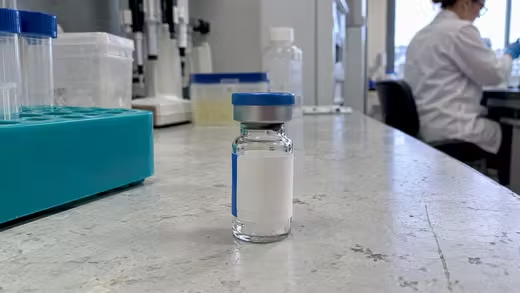
Learn what a research-use-only label does and doesn't tell you, which details to check on a vial or product page, and the mistakes that trip up customers.
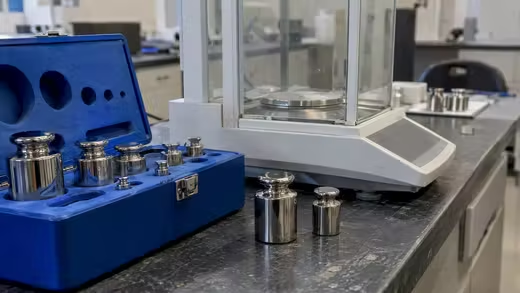
Review peptide testing claims by checking COA details, lab accreditation scope, NIST traceability, and QA/QC evidence before trusting a purity figure.
See how labs confirm peptide identity with accurate mass, MS/MS, system suitability, internal standards, and expert review beyond a purity result.
Learn how researchers validate peptide COAs by checking MS evidence, HPLC purity, net content, lot matching, lab metadata, and reference standards.

Check supplier transparency through COAs, audits, and independent tests. Learn how U.S. importers can uncover hidden supply chain risks.

See how FDA intended use rules shape research use only peptide sourcing. Learn to check each supplier's COA, records, and claims before ordering.
Compare peptide product descriptions by checking lot numbers on COAs, identity results, purity basis, and analytical methods before ordering research...

Research buyers can ask suppliers for batch specific COAs, traceability records, independent testing, shipping evidence, and RUO labeling before buying.
Learn peptide terminology for laboratory research, from synthesis and residue counts to COA quality signals, RUO and IUO labels, and vendor verification.
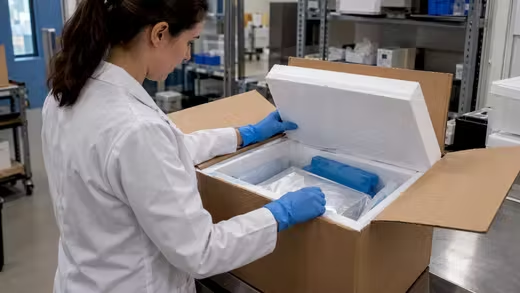
Review peptide shipping policies for COAs tied to each lot, SDSs, coolant rules, fees, and timing. Record arrivals to protect lot integrity.
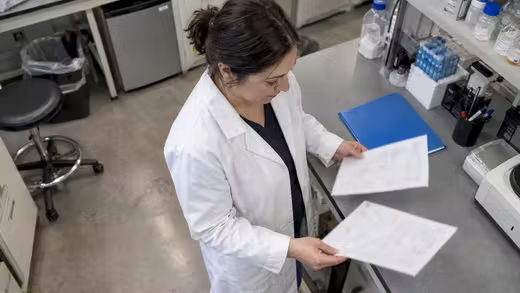
Checklist for labs to compare Research Use Only product pages. Verify lot specific COAs, sequence stability, shipping, and vendor red flags.
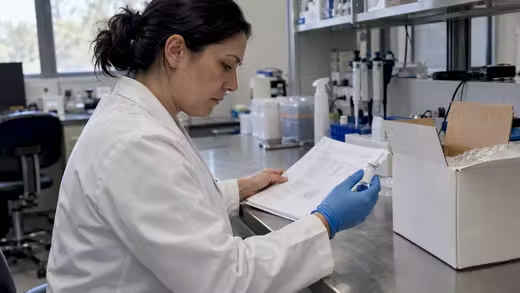
Run this preorder peptide checklist: require lot specific COAs with HPLC/MS and MS/MS data, verify traceability and lock written commercial terms.
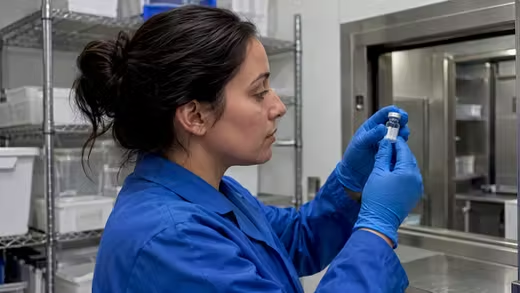
Verify peptide chain of custody with a lab checklist: request executed batch record, COA with raw data, temperature log, and signed receipt.
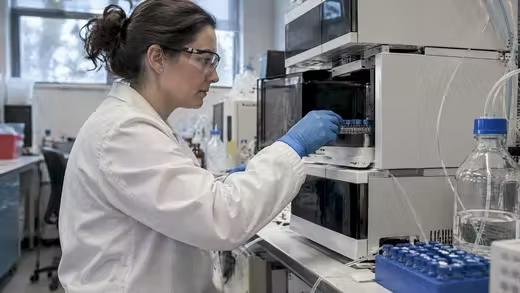
ICH aligned, peptide-specific steps to prove a method is stability indicating: run forced degradation, demonstrate mass balance, and validate assays.
Learn how to review a peptide COA at a high level, understand its scope, and avoid unsupported safety, medical, or personal-use conclusions.
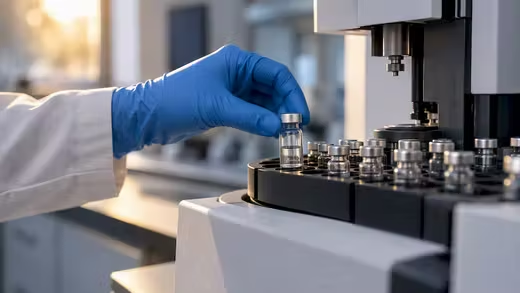
Peptide labs: use headspace GC, apply ICH Q3C/USP <467> limits, and require solvent specific COAs to spot residual solvents before use.
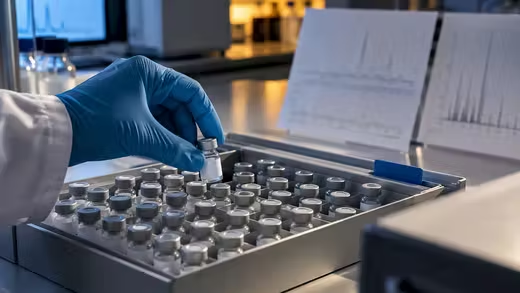
Seven practical steps labs can use to verify peptide lot numbers, match vial labels to COAs, and build an ICH Q7 aligned audit trail before use.
Verify peptide deliveries before use: demand a batch specific COA with HPLC and LC MS, set RFQ wording, and run quick on receipt checks.
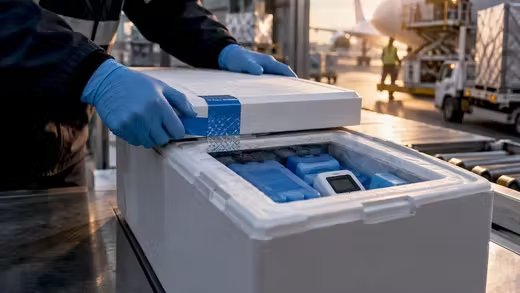
A lab-focused playbook for peptide shipping insurance. Learn which coverage and spoilage endorsements to buy, how UCC and 49 CFR affect claims, and the...
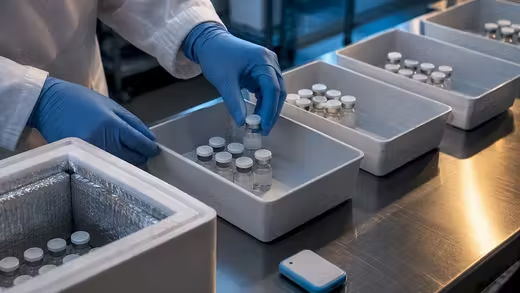
Plan peptide procurement with exact timelines and a copy and paste quote checklist. Crude 1–2 wk, routine 2–4 wk, non routine 4–6 wk. Add a 1–2 wk buffer.

FDA aligned checklist for U.S. peptide labs to decide RUO versus IVD, qualify suppliers, collect lot COAs, and document intended use.
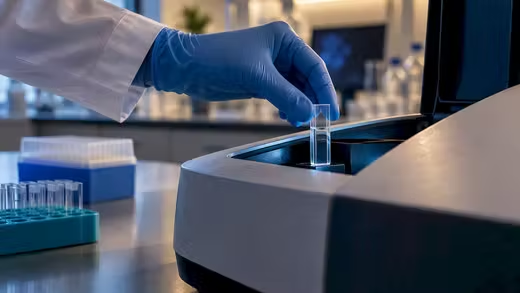
Pick wavelength by sequence: use ε280 for Trp/Tyr, apply sequence-specific ε205 for nonaromatic peptides, and always run matched-blank and COA checks for...
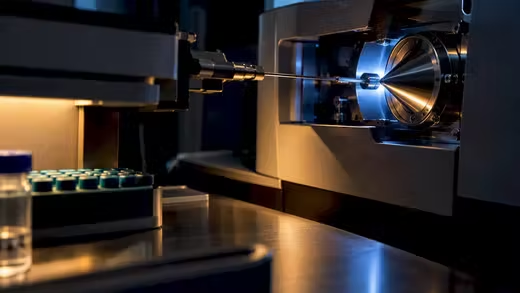
Reproducibility first peptide MS/MS workflow for proteomics labs. Learn what to record, pick DDA or DIA, lock parameters, and archive raw files for...
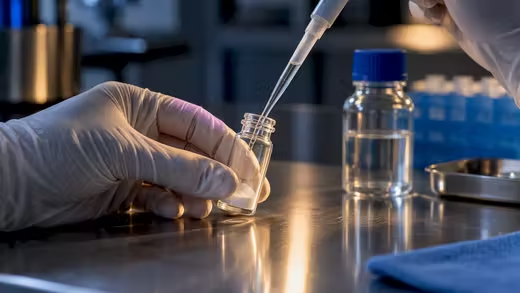
A lab ready 7 step flow to dissolve difficult peptides: test a small aliquot, match pH or co solvent, check vendor COAs, and delay chaotropes until needed.
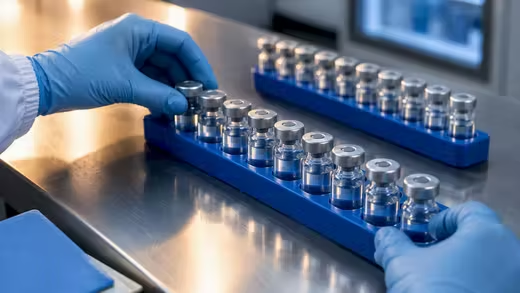
A measurement-first playbook for QC teams: use HPLC fingerprinting, SPC, and COA retention to prove reproducible lots and vet batch-verified peptide...
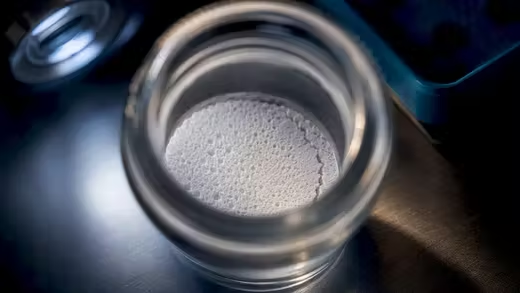
Science based triage for labs. Link lyophilized cake defects to exact assays and process logs to run next, including SEC, Karl Fischer, and particle counts.
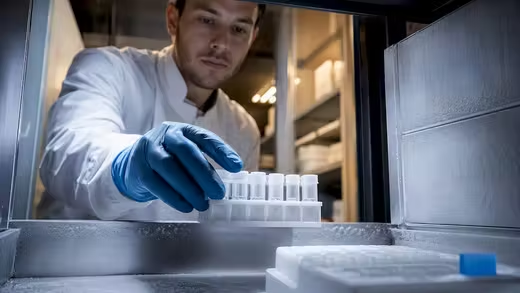
Lab workflow to prevent peptide freeze thaw damage: aliquot 0.1 to 0.5 mL, freeze fast at minus 80°C, log every thaw, and never refreeze.

Learn how to combine public peptide stability datasets, validated stability-indicating assays, and predictive models. Follow a metadata checklist to avoid...
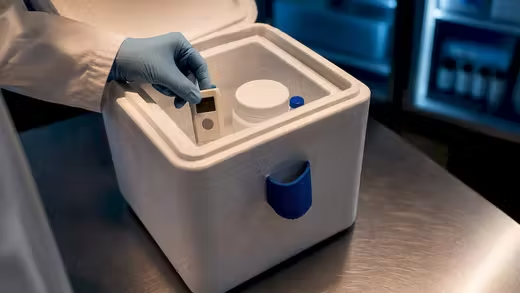
Lab managers: ensure peptide shipments include lot-specific COAs, documented cold chain, and traceable chain of custody so samples pass audits and remain...

GxP checklist for HPLC data integrity: seven practical controls, review by exception steps, and inspection ready exports.
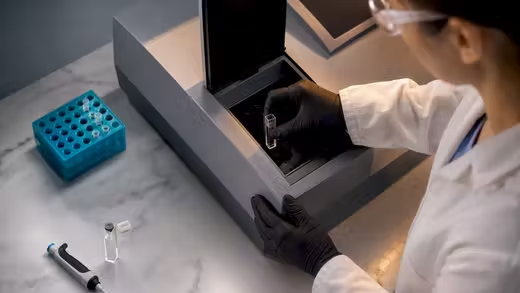
Lab ready checklist for peptide concentration determination with worked Waddell and A280 calculations, COA checks, and MS ready quant methods to verify...
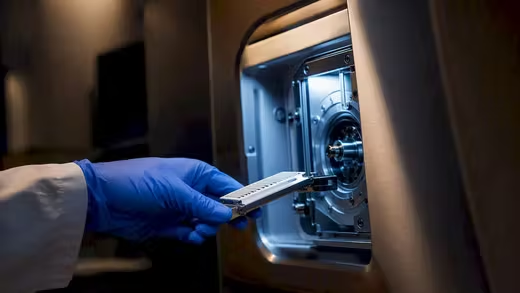
Practical LC-MS/MS primer for labs: four workflow stages, key sample prep checks, fragmentation and acquisition choices, and COA verification to avoid...

Summarizes PepT1‑mediated uptake, nanoparticle delivery fixes, and a COA‑focused sourcing checklist so research labs can design reproducible KPV studies.
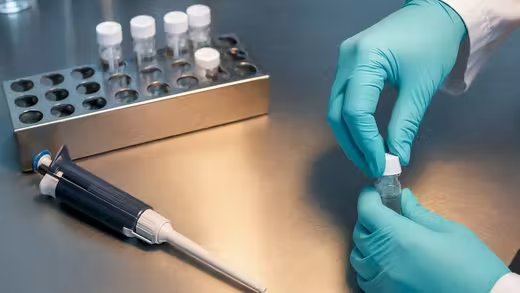
QM and MD insights explain why N+1 dominates peptide deamidation. Practical lab advice on auditing N+1, avoiding phosphate artifacts, and confirming iso...

Lab brief on IGF-1 LR3: mechanism, hypoglycemia risk, and step by step checks to verify lot specific COAs and raw MS spectra before ordering for...
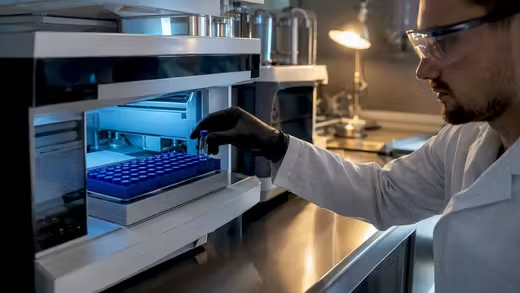
Translate CJC-1295 DAC pharmacokinetics (5.8–8.1 day) into lab-ready protocols: sampling schedules, COA verification, handling, and IRB/IACUC checks.

Peptide glossary for researchers: clear biochemical definitions and practical COA checks to vet suppliers and spot mislabeled or undocumented compounds.
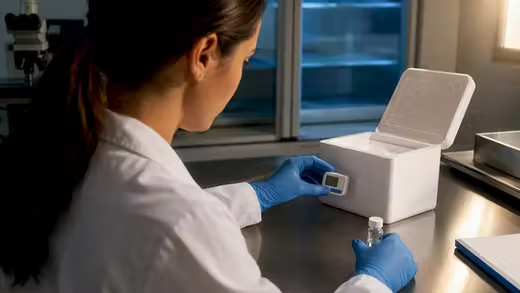
Lab guide to HGH-191AA: what COAs must show, identity and bioassay checks, monitoring endpoints, and U.S. regulatory distinctions for lab use.
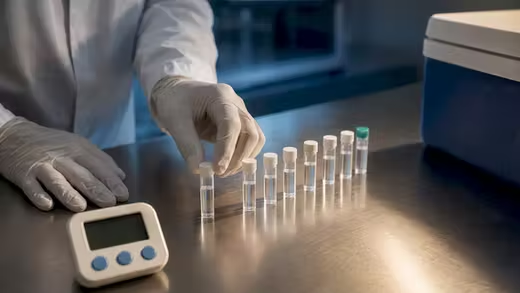
Research-first review of CJC-1295 DAC: human PK (6–8 day half life), evidence gaps, safety signals, and how labs verify COAs and source batches.
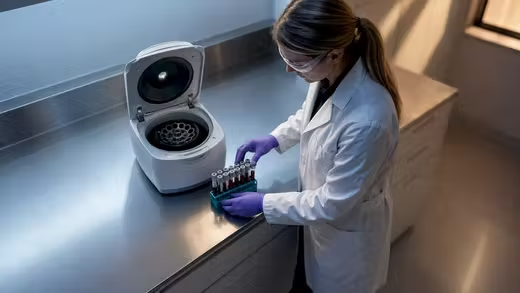
Evidence first review for researchers: what Thymosin Alpha 1's TLR2/TLR9 activity meant in trials, the 2025 TESTS result, and COA checks.

Learn to read Tesamorelin COAs, spot HPLC area percent versus true peptide content, and run on receipt checks labs need for reproducible results.

For labs and clinicians. Summarizes pediatric trials that doubled height velocity, explains limited adult evidence, and covers FDA compounding context...

Mechanism-first review for lab researchers: Selank's gene expression data, the lone 62 patient trial, safety limits, and COA-focused sourcing guidance.
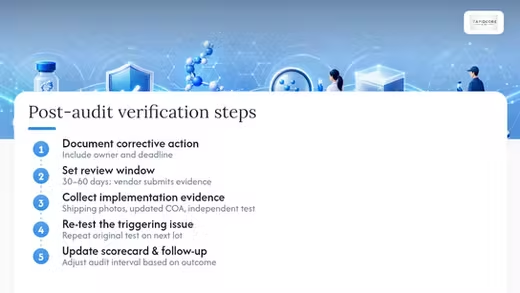
Compare U.S. research peptide suppliers using product documentation, COA access, research-use policies, shipping terms, support, and transparency signals.
BPC-157 is a peptide gaining attention for its potential benefits in tissue repair, inflammation reduction, and recovery enhancement. As interest grows, so does the need for a clear, reliable approach to purchasing this compound online. I provide a detailed safety guide to help you navigate the complexities of ordering BPC-157 safely. This guide emphasizes quality assurance, regulatory considerations, and practical steps to ensure you receive a pure, effective product. Understanding BPC-157...
LL-37 for researchers and clinicians: membrane mechanisms, structural context, production options, and COA verification to ensure clean, reproducible lab...
Use this peptide vendor audit checklist to review documentation, supplier transparency, research-use policies, fulfillment, support, and ordering information.

Lab focused Kisspeptin-10 primer: human trial evidence for LH and testosterone, why its 4 minute half life demands PK aware protocols, and how to source...

Discover how Ipamorelin works, its research evidence, and guidance for laboratory use. Explore this promising peptide for growth hormone release.
Discover essential checks for ordering high purity peptides, ensuring reliable results for your research. Verify quality with COA today!
Discover how Epitalon activates telomerase, potentially lengthening telomeres. Understand its mechanism, safety, and ongoing research.
Discover how CJC-1295 no DAC differs from the DAC variant, including its effects on growth hormone release and pharmacokinetics.

TB-500 is a synthetic peptide widely used in research and biohacking communities for its potential benefits in tissue repair, inflammation reduction, and recovery enhancement. When sourcing TB-500, reliability and quality are paramount. This post provides a detailed overview of how to identify reliable TB-500 vendors in the USA, what to expect in terms of product quality, pricing, and purchasing considerations. Identifying Reliable TB-500 Vendors Selecting a reliable TB-500 vendor requires...
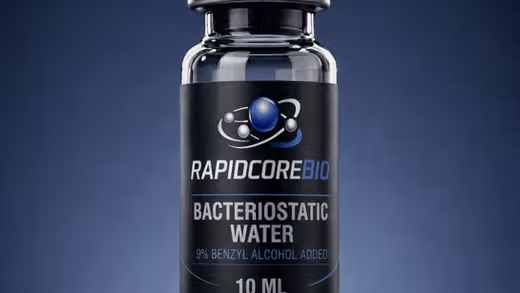
Use this research peptide buying guide to review product details, documentation, supplier policies, shipping, returns, support, and research-use labeling.
Learn how to manage peptide racemization in synthesis. Discover effective strategies to minimize inversion and optimize your protocols.

Discover essential RUO labeling requirements to ensure IVD compliance. Learn how proper labeling impacts your business practices today.
Discover the best peptide sampling techniques tailored to your sample type. Optimize your extraction process for accurate results.

Explore the key factors influencing peptide pricing in 2026, from sequence complexity to distribution channels, and budget wisely.
Discover how choosing the right peptide salt forms can streamline your research, save time, and enhance experimental accuracy.

Navigate the complexities of peptide legality in the USA with our essential compliance checklist for labs, ensuring safe research practices.

BPC-157 is a synthetic peptide gaining attention for its potential in tissue repair, inflammation reduction, and recovery enhancement. As interest grows within the biohacking and alternative wellness communities, understanding how to buy BPC-157 online USA becomes essential. This guide provides a clear, structured approach to purchasing BPC-157 safely and effectively, emphasizing quality, transparency, and regulatory considerations. Understanding BPC-157 and Its Applications BPC-157, or Body...

Discover how to maximize peptide shelf life with proper storage techniques. Learn key temperature guidelines to enhance stability and effectiveness.

Explore practical design strategies in pegylated peptides research that enhance drug efficacy, improve stability, and optimize therapeutic outcomes.

Learn the validated HCl exchange protocol for effective peptide TFA removal, ensuring accurate results in sensitive biological assays.
Master HPLC chromatogram interpretation with this lab technician's guide. Learn essential techniques for analyzing peaks and ensuring accurate results.
Master peptide solubility with practical checks to enhance your experiments. Ensure success by understanding charge density and hydrophobicity.
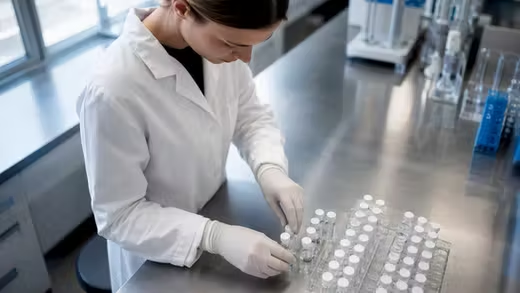
Understand the meaning of 'Research Use Only' products and their compliance implications for labs. Protect your operations today!

Discover the essential guide to sourcing high-quality regenerative research peptides for your U.S. laboratory studies and enhance your outcomes.

TB-500 is a synthetic peptide derived from thymosin beta-4, a naturally occurring protein in the human body. It has gained attention in the biohacking and alternative wellness communities for its potential to enhance recovery, improve tissue repair, and support overall performance. In this article, I will explore the scientific basis of TB-500, its benefits, sourcing considerations, and practical applications for those interested in optimizing health and longevity. Understanding TB-500...

Discover how benzyl alcohol bacteriostatic water functions as a safe, multi-dose diluent for drug reconstitution in medical research.
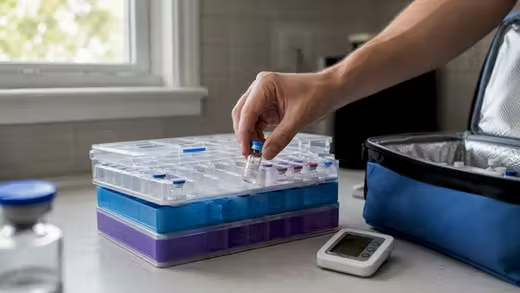
Discover effective strategies for organizing peptide vials, including optimal storage solutions and travel tips to enhance your research workflow.

Learn how to accurately measure net peptide content (NPC) to ensure precise experimental results. Discover essential methods and tips!
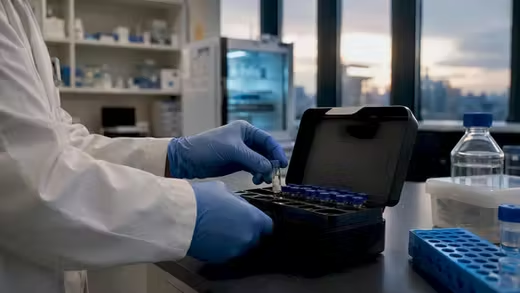
Discover the best peptide storage containers that ensure safety and integrity for your research. Learn about key features for optimal protection.

Compare research peptide suppliers in the USA using transparency, product information, COA access, shipping policies, support, and research-use positioning.
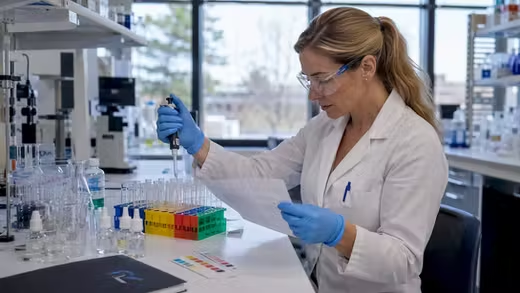
Learn how to safely and effectively combine peptides in the lab. Our guide covers checks and tips for successful mixing peptides.

Ensure the integrity of your research. Learn how to validate a peptide certificate of analysis with four essential checks before use.

Discover the essentials of solid phase peptide synthesis in our practical lab guide. Learn techniques for efficient peptide assembly today!

Explore top peptide sciences alternatives for U.S. labs in 2026. Discover verified suppliers ensuring high-purity research peptides today!

Ensure top-notch water quality for peptides with this COA checklist. Learn key criteria for selecting the right solvent for your research.

Discover the benefits of isotopically labeled peptides for accurate quantification and metabolic tracing in your research. Learn more now!

Something remarkable happens when a synthetic fragment of a protein found in human gastric juice demonstrates the ability to accelerate tendon repair, modulate neurotransmitter systems, and promote angiogenesis all at once. That compound is BPC-157, and the scientific conversation surrounding it has never been louder or more consequential than it is right now. BPC 157 peptides have spent decades generating compelling preclinical data while existing in a regulatory gray zone that allowed broad...
Ensure reliable results with peptide third party testing. Get independent verification of identity and purity for your peptides, protecting your research.

For decades, researchers assumed mitochondria served a singular purpose: generating cellular energy. That assumption is now being dismantled, piece by piece, by a remarkable molecule hidden within mitochondrial DNA. MOTS-c, a mitochondria-derived peptide discovered less than a decade ago, is forcing scientists to fundamentally reconsider how the body regulates metabolism, responds to stress, and even ages. What makes MOTS-c particularly compelling is not just what it does, but where it comes...

Ensure your peptide research is reliable by mastering vial seal integrity. Learn essential tests and protocols to safeguard your samples.

Have you ever wondered how tiny molecules like peptides can influence wellness, recovery, and longevity? Peptides have gained attention in recent years for their potential roles in supporting metabolism, performance, and cellular health. Yet, the science behind them can seem complex and hard to follow. In this post, I will break down what peptides are, why they matter in emerging research, and how to choose quality products for research use. I will focus on two well-known peptides from...

Ensure your research quality with accurate peptide endotoxin testing. Learn essential steps for COA verification and avoid pitfalls!

Discover essential insights on peptide sterility testing, including methods, incubation times, and tips for successful sample management.

Discover the key differences between peptide vs protein and learn how this impacts lab research, stability, and biological functions.

Explore the potential of cell penetrating peptides for effective intracellular delivery. Learn design tips and best practices for your research.
Master peptide reconstitution with our step-by-step guide. Learn formulas and techniques for accurate dosing and efficient research.

Safe peptide ordering is critical to avoid counterfeit or contaminated products. BPC-157 is a peptide gaining attention for its potential in tissue repair, inflammation reduction, and recovery enhancement. As interest grows, so does the demand for purchasing this compound online. However, the unregulated nature of the peptide market requires careful consideration to ensure safety, purity, and authenticity. I will outline essential practices to follow when ordering BPC-157 online, focusing on...

Explore how peptide research, mitochondrial science, precision delivery, AI-guided design, and advanced biomarkers may shape the future of cellular optimization and healthy aging research.
Selecting a reliable TB-500 peptide vendor is critical for anyone invested in biohacking, performance enhancement, or alternative wellness. The peptide TB-500, known for its regenerative and recovery properties, demands high purity and consistent quality. This post outlines key considerations when choosing trusted peptide vendors, ensuring you receive a product that meets rigorous standards and supports your health goals effectively. Identifying Trusted Peptide Vendors When sourcing TB-500,...
Peptides play a critical role in scientific research, particularly in biochemistry, pharmacology, and molecular biology. Access to high-quality peptides is essential for accurate experimental results and reproducibility. Selecting a trusted supplier is a priority for laboratories and researchers who require consistent purity, reliable delivery, and expert support. This article explores the landscape of reputable peptide retailers USA, focusing on criteria for selection, manufacturing...
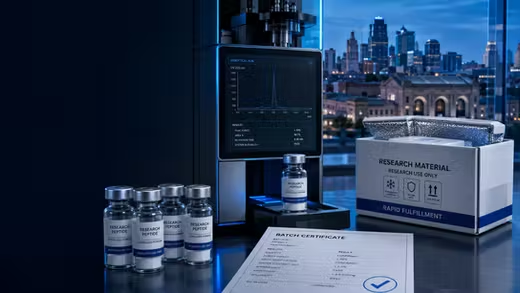
A research-use-only guide to sourcing peptides in Kansas City: what to verify (COA, HPLC/MS), how to store and handle, and how to order from RapidCore Bio.

Buying BPC-157 10 mg online for research requires more than comparing price. Review product labeling, supplier transparency, documentation, shipping, storage information, and research-use policies.
TB-500 is a synthetic peptide derived from thymosin beta-4, a naturally occurring protein involved in tissue repair and regeneration. TB-500 is a synthetic peptide derived from thymosin beta-4, a naturally occurring protein involved in tissue repair and regeneration. Its unique properties have attracted significant interest in scientific research, particularly in studies related to wound healing, inflammation reduction, and cellular migration. This article provides a detailed examination of...
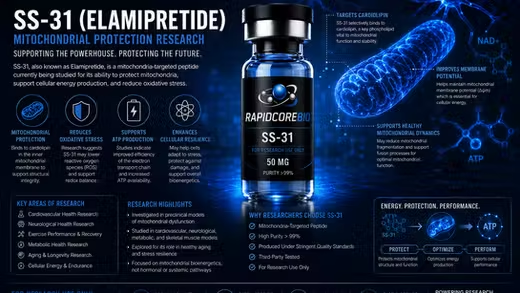
A closer look at SS-31, Elamipretide, mitochondrial protection, ATP production, oxidative stress, and the future of cellular energy research.

ARA-290 research continues to draw interest for its connection to tissue-protective signaling, inflammatory pathway models, nerve fiber research, and cellular resilience. ARA-290 is one of the more interesting research peptides because it sits at the intersection of inflammation, tissue repair, nerve signaling, and cellular protection. Also known as cibinetide, ARA-290 was developed from erythropoietin-related research, but it was engineered to avoid the red blood cell stimulating activity...
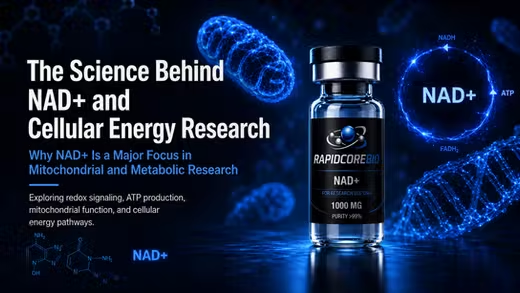
NAD+ is one of the most important molecules in cellular energy research. Learn how researchers study its role in mitochondria, metabolism, redox balance, and cellular repair pathways.
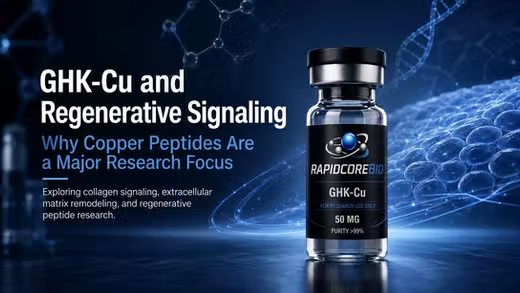
Explore why GHK-Cu has become one of the most researched copper peptides in regenerative science, including its role in collagen signaling, extracellular matrix remodeling, oxidative stress, and tissue repair research.
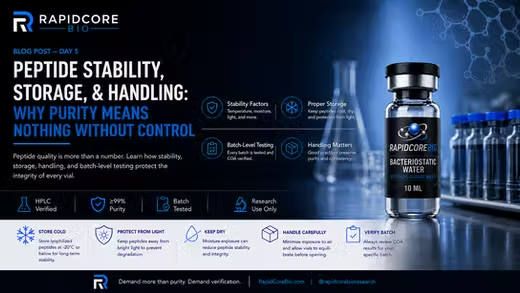
Analytical verification and batch consistency play a critical role in maintaining reliable peptide research standards. In peptide research, purity percentages have become the industry’s favorite marketing metric. Nearly every supplier claims “99% purity,” often displayed prominently on product labels, websites, and promotional materials. But experienced researchers understand an important reality: A purity claim alone does not guarantee reliability. A compound may test at a high purity...
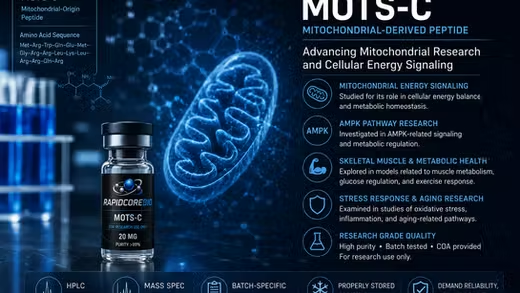
MOTS-C is a mitochondrial-derived peptide studied for cellular energy signaling, AMPK-related pathways, metabolic adaptation, and mitochondrial stress-response research. Mitochondria are usually described as the powerhouses of the cell, but that phrase barely scratches the surface. In modern research, mitochondria are no longer viewed as simple energy factories. They are now studied as signaling hubs that influence metabolic adaptation, cellular stress response, aging biology, skeletal muscle...
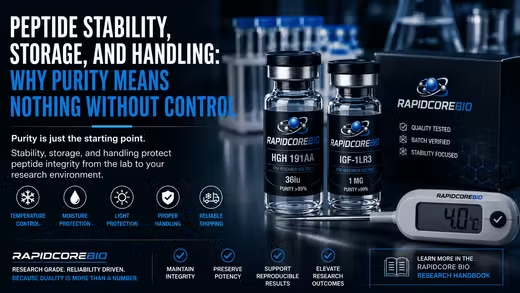
RapidCore Bio research peptide vials displayed in a controlled laboratory setting, highlighting the importance of peptide stability, storage conditions, handling standards, and research-grade reliability. In peptide research, purity percentages often dominate the conversation. Vendors advertise high-performance liquid chromatography results, third-party testing, and certificate-backed purity claims as proof of quality. While purity is important, it is only one piece of the equation. A peptide...

Scientist analyzing a specimen under a microscope Peptides have moved from niche conversations into the center of the biohacking, performance, and wellness world. What used to be discussed quietly in private forums is now showing up in podcasts, social media feeds, health optimization groups, and conversations between regular people who are trying to take more control over how they feel, recover, and perform. That attention has created a problem. As interest has grown, the market has become...

BPC-157 is a synthetic peptide widely studied for its regenerative and healing properties. It has gained significant attention in scientific research for its potential applications in tissue repair, inflammation reduction, and recovery acceleration. Procuring BPC-157 for laboratory use requires careful consideration to ensure product purity, authenticity, and compliance with regulatory standards. This guide provides a detailed overview of how to order BPC-157 safely online, focusing on best...
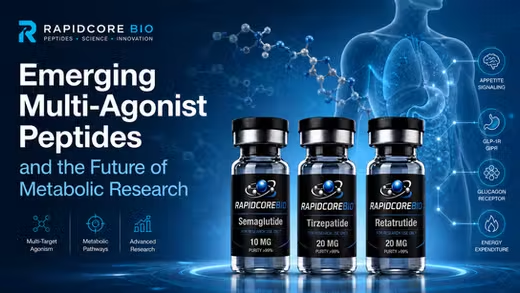
RapidCore Bio showcases the cutting-edge potential of multi-agonist peptides with Semaglutide, Tirzepatide, and Retatrutide, spotlighting advancements in metabolic pathways, GLP-1 signaling, GIP receptor activity, and glucagon receptor research for the future of peptide science.
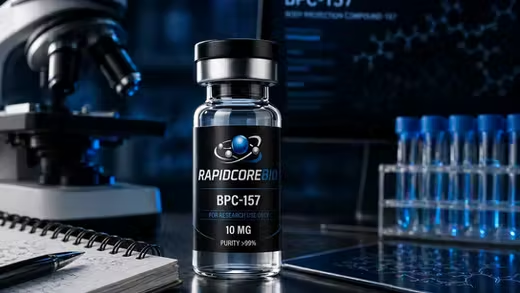
Introduction: Hype Moves Faster Than Understanding At some point over the last few years, BPC-157 moved out of small niche circles and into the mainstream. What used to be discussed quietly in performance communities is now showing up everywhere. It appears in podcasts, private groups, and conversations around recovery and optimization. People reference it casually as if everyone already understands what it is and how it works. The reality is very different. Most people are hearing about...
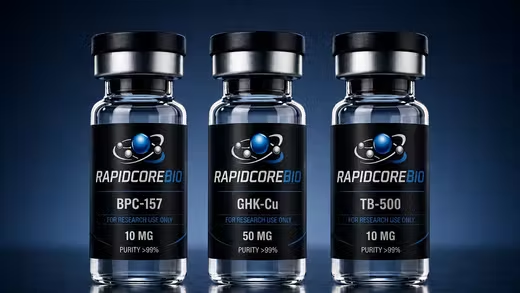
BPC-157., GHK-Cu, and TB-500 Most peptide protocols are half-measures. You run BPC-157 for a month, see some tendon relief, and think you're optimizing. You're not. You're playing whack-a-mole with single-target compounds while your body is screaming for coordinated repair. That's why the Glow Stack exists. It's not a clever marketing name — it's a description of what happens when you stop throwing one peptide at a problem and start orchestrating a biological renovation. BPC-157. GHK-Cu....

Review Retatrutide as a triple-agonist research compound, including GLP-1, GIP, and glucagon receptor pathways, study context, supplier evaluation, and research-use considerations.

A laboratory with vials in the foreground and scientists in the background What BPC-157 Actually Is (No, It's Not a Miracle Healing Powder) Let's get one thing straight before the bro-science crowd shows up. BPC-157 is a synthetic pentadecapeptide—that's fifteen amino acids chained together—derived from a protective protein found in human gastric juice. It was first isolated and studied because your stomach lining has an almost supernatural ability to repair itself after chemical warfare, and...

Retatrutide is a synthetic peptide engineered to activate three distinct metabolic hormone receptors simultaneously. When One Receptor Isn't Enough Most metabolic research compounds target a single pathway. A molecule binds to one receptor, triggers one cascade, and researchers measure one outcome. That's how the field started, and for decades, single-target agonists were the standard tool in metabolic preclinical models. But biology doesn't work in isolation. Energy balance, glucose...
What This Research Compound Actually Is (No, It's Not a Magic Healing Elixir) Before the fitness forums and recovery blogs get their hands on this, let's establish the facts. TB-500 is a synthetic peptide fragment—a 43-amino-acid sequence derived from Thymosin Beta-4, a naturally occurring protein found in virtually every cell in your body. Your body produces Thymosin Beta-4 constantly. It's involved in wound healing, tissue repair, cell migration, and the fundamental mechanics of how cells...
Semax has many different applications. Let's Be Honest About What Semax Actually Is If you've spent five minutes on Reddit or biohacker forums, you've seen the hype. Semax is supposedly the secret sauce for limitless focus, bulletproof memory, and neural regeneration straight out of a sci-fi movie. Here's the reality check: Semax is a synthetic seven-amino-acid peptide created in Russian labs during the 1980s. It's a fragment of a larger hormone called ACTH, stripped down to its bare...