Understanding Peptides for Wellness and Longevity with RapidCore Bio


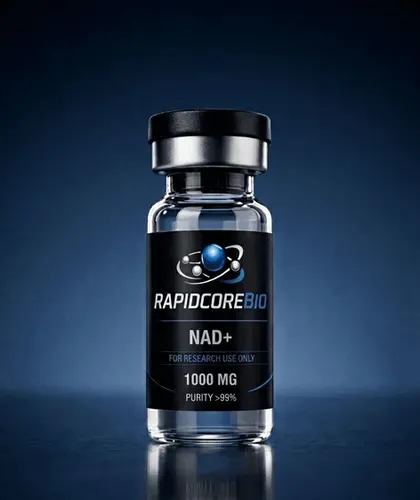
Have you ever wondered how tiny molecules like peptides can influence wellness, recovery, and longevity? Peptides have gained attention in recent years for their potential roles in supporting metabolism, performance, and cellular health. Yet, the science behind them can seem complex and hard to follow.
In this post, I will break down what peptides are, why they matter in emerging research, and how to choose quality products for research use. I will focus on two well-known peptides from RapidCore Bio: BPC-157 and GHK-Cu. These compounds illustrate how peptides differ and what researchers are exploring about their effects.
What Are Peptides and Why Are They Important?
Peptides are short chains of amino acids, the building blocks of proteins. Unlike full proteins, peptides are smaller and can have specific biological activities. They act as messengers or regulators in the body, influencing processes like healing, metabolism, and cell signaling.
People interested in biohacking and wellness often explore peptides because they may support recovery, improve metabolic function, or promote longevity. However, peptides are not drugs or supplements approved for medical use. Instead, they are research-use-only compounds that help scientists understand biological pathways.
How Peptides Differ from Other Compounds
Amino acids are single units that combine to form peptides.
Peptides are short chains of amino acids, usually fewer than 50.
Proteins are longer chains of amino acids folded into complex structures.
Hormones are signaling molecules, some of which are peptides.
Other research compounds may include small molecules or cofactors like NAD+.
Understanding these differences helps clarify why peptides have unique roles in research and wellness.
Spotlight on BPC-157 and GHK-Cu
BPC-157: The Healing Peptide
BPC-157 is a peptide derived from a protein found in the stomach. It has attracted interest for its potential to support tissue repair and recovery. Researchers are studying BPC-157 for its effects on healing muscles, tendons, ligaments, and even the gut lining.
Why it matters: Early research suggests BPC-157 may promote angiogenesis (formation of new blood vessels) and reduce inflammation.
Research areas: Recovery from injury, gut health, inflammation modulation.
Product example: RapidCore Bio offers BPC-157 as a research-use-only peptide with verified purity and batch-specific documentation. You can learn more about it Bpc 157 10mg product page.
GHK-Cu: The Copper Peptide for Skin and Cellular Health
GHK-Cu is a naturally occurring copper peptide known for its role in skin regeneration and anti-inflammatory effects. It has been studied for its ability to promote collagen production, improve skin elasticity, and support wound healing.
Why it matters: GHK-Cu may influence gene expression related to tissue remodeling and antioxidant defense.
Research areas: Skin health, anti-aging, cellular repair, inflammation.
Product example: RapidCore Bio provides GHK-Cu with transparent third-party testing and Certificates of Analysis. More details are available Ghk Cu 50mg product page.
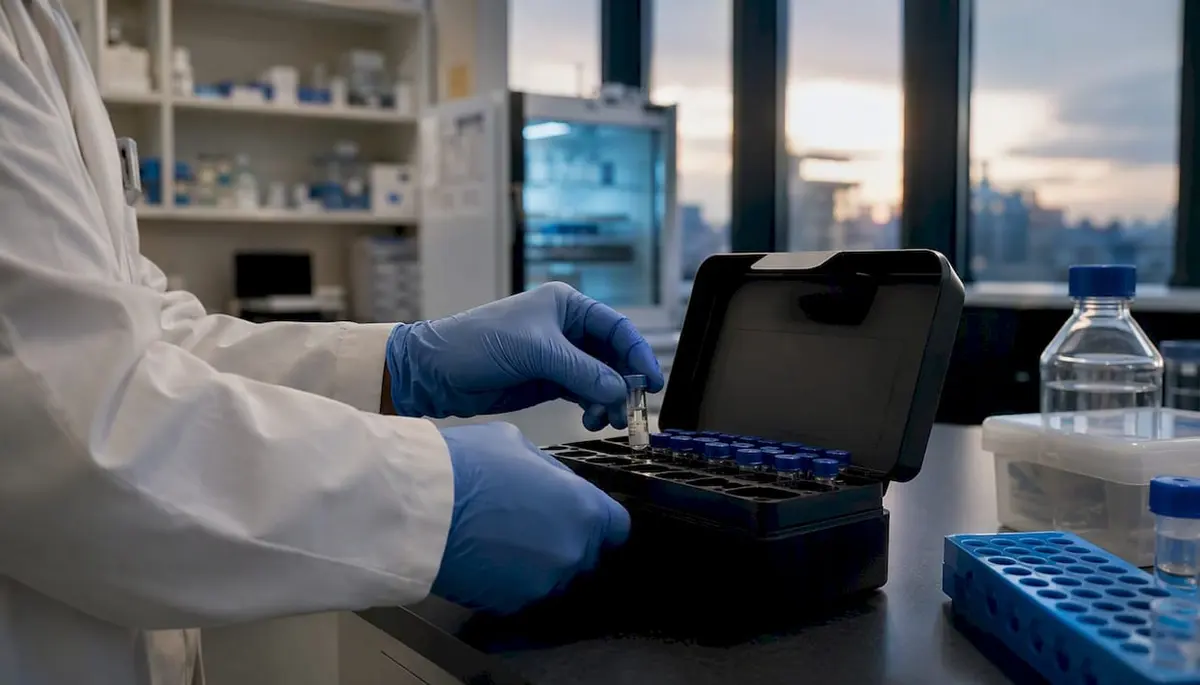
Vial of peptide solution illustrating research-use-only compounds from RapidCore Bio
What Research Is Being Done on These Peptides?
Both BPC-157 and GHK-Cu are subjects of ongoing scientific studies. Researchers are exploring their mechanisms and potential applications, but it is important to understand that findings are preliminary and do not guarantee specific outcomes.
BPC-157 studies focus on its role in tissue regeneration, angiogenesis, and inflammation control. Animal models have shown promising results, but human clinical data remain limited.
GHK-Cu research investigates its effects on skin repair, antioxidant activity, and gene regulation. It is also studied for its potential to modulate inflammation and support cellular health.
These peptides represent emerging areas of interest in wellness and longevity research. They help scientists understand how small molecules can influence complex biological systems.
Why Quality and Transparency Matter in Peptide Research
When working with peptides, purity and consistency are critical. Impurities or degradation can affect research results and safety. RapidCore Bio prioritizes:
Third-party testing: Independent labs verify peptide purity and identity.
Batch-specific Certificates of Analysis (COAs): Detailed documentation accompanies each product.
Proper handling and storage: Peptides require specific conditions to maintain stability.
Choosing suppliers who provide transparent information helps researchers and biohackers make informed decisions. It reduces uncertainty in a market where product quality can vary widely.

Laboratory testing ensures peptide purity and consistency for research use
Practical Tips for Choosing Peptides for Research
Before purchasing peptides like BPC-157 or GHK-Cu, consider these factors:
Purity: Look for products with purity above 95%, verified by third-party labs.
Documentation: Request batch-specific COAs to confirm quality.
Storage: Ensure proper refrigeration or freezing as recommended.
Supplier reputation: Choose companies known for transparency and customer support.
Intended use: Remember these compounds are for research only, not approved for human consumption.
RapidCore Bio meets these criteria, offering reliable products with clear educational resources to support your research journey.
Exploring Peptides with Confidence
Peptides like BPC-157 and GHK-Cu offer exciting possibilities in wellness and longevity research. Understanding what they are, how they differ, and what to look for in quality products helps you navigate this complex field.
If you want to learn more about these peptides or explore other compounds, visit RapidCoreBio.com. The site provides detailed product information, educational articles, and transparent documentation to support your research.
Organized workspace supporting peptide research and biohacking exploration
By focusing on education, transparency, and quality, RapidCore Bio helps remove uncertainty from peptide research. This approach supports informed decisions and advances understanding in the fields of recovery, metabolism, and longevity.
Explore the possibilities with confidence and deepen your knowledge with trusted resources.
Disclaimer: This post is for educational purposes only and does not provide medical advice. Peptides discussed are research-use-only compounds and are not approved for human consumption or treatment.