Discover the Benefits of TB-500 Peptide Benefits

TB-500 is a synthetic peptide derived from thymosin beta-4, a naturally occurring protein in the human body. It has gained attention in the biohacking and alternative wellness communities for its potential to enhance recovery, improve tissue repair, and support overall performance. In this article, I will explore the scientific basis of TB-500, its benefits, sourcing considerations, and practical applications for those interested in optimizing health and longevity.
Understanding TB-500 Peptide Benefits
TB-500 functions primarily by promoting cell migration and differentiation, which are critical processes in tissue repair and regeneration. It modulates actin, a protein essential for cell structure and movement, thereby accelerating wound healing and reducing inflammation. This peptide also supports angiogenesis, the formation of new blood vessels, which improves oxygen and nutrient delivery to damaged tissues.
Several studies and anecdotal reports highlight the following benefits of TB-500:
Enhanced recovery from injuries: TB-500 facilitates faster repair of muscles, tendons, ligaments, and skin.
Reduced inflammation: It helps modulate the immune response, decreasing swelling and pain.
Improved flexibility and mobility: By promoting tissue repair, it can restore range of motion after injury.
Potential cardiovascular support: Through angiogenesis, it may aid in heart tissue repair.
Neuroprotective effects: Emerging research suggests TB-500 may support nerve regeneration.
These benefits make TB-500 a valuable tool for individuals focused on performance optimization, injury recovery, and longevity.

Mechanism of Action and Scientific Insights
TB-500 is a synthetic version of a segment of thymosin beta-4, specifically designed to retain the active properties of the full protein while being easier to produce and administer. It works by binding to actin, a cytoskeletal protein, which regulates cell shape and motility. This interaction promotes cell migration to injury sites, facilitating tissue repair.
The peptide also influences gene expression related to cell proliferation and differentiation. It upregulates factors involved in angiogenesis, such as vascular endothelial growth factor (VEGF), enhancing blood flow to damaged areas. Additionally, TB-500 modulates inflammatory cytokines, reducing excessive immune responses that can delay healing.
Clinical and preclinical studies demonstrate TB-500’s efficacy in accelerating wound closure, reducing scar formation, and improving functional recovery in muscle and tendon injuries. While human trials are limited, animal models provide strong evidence supporting its therapeutic potential.
Where can I get TB-500 peptides?
Obtaining high-quality TB-500 peptides requires careful consideration of purity, consistency, and transparency. It is essential to source from reputable suppliers who provide third-party testing and batch-specific Certificates of Analysis (COAs). These documents verify the peptide’s identity, purity, and absence of contaminants.
For those interested in purchasing TB-500, I recommend exploring suppliers that prioritize quality control and customer education. One reliable option is tb-500 10mg lab supply, which offers peptides with verified purity and detailed COAs. This ensures confidence in the product’s authenticity and safety.
When selecting a supplier, consider the following:
Third-party testing: Independent labs confirm peptide purity and potency.
Batch-specific COAs: Transparency about each production lot.
Storage and handling: Proper refrigeration and packaging to maintain stability.
Customer support: Access to knowledgeable representatives for guidance.
Practical Applications and Dosage Considerations
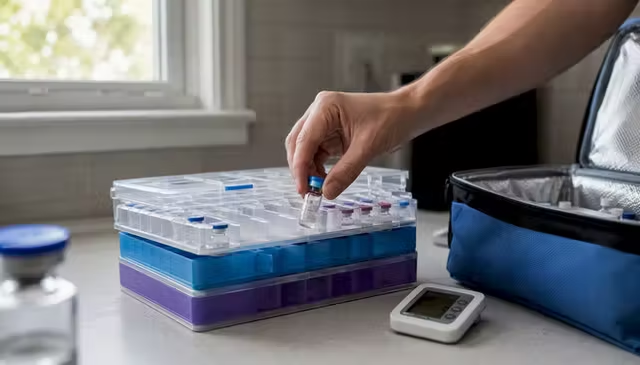
TB-500 is typically administered via subcutaneous or intramuscular injection. Dosage protocols vary depending on the intended use, injury severity, and individual response. Common regimens involve an initial loading phase followed by maintenance doses.
A typical protocol might include:
Loading phase: 2-5 mg per week for 4-6 weeks to saturate tissues.
Maintenance phase: 2 mg every 2-4 weeks to support ongoing repair.
It is important to consult with a healthcare professional experienced in peptide therapy to tailor dosing appropriately. Self-administration requires proper technique and sterile equipment to minimize risks.
In addition to injury recovery, some users incorporate TB-500 into broader biohacking strategies aimed at enhancing physical performance, reducing inflammation, and supporting metabolic health. Combining TB-500 with complementary peptides or therapies may yield synergistic effects, but this should be approached cautiously and with expert guidance.
Safety Profile and Regulatory Status
TB-500 is generally well-tolerated with a low incidence of adverse effects reported in research and user experiences. Common side effects, if any, are mild and may include localized irritation at the injection site.
Because TB-500 is a research peptide, it is not approved by regulatory agencies such as the FDA for medical use. Its use is primarily experimental and intended for research purposes. Users should be aware of legal considerations in their jurisdiction and prioritize sourcing from reputable suppliers to avoid counterfeit or contaminated products.
Ongoing research aims to clarify long-term safety and efficacy, as well as potential therapeutic applications beyond injury recovery, including chronic inflammatory conditions and neurodegenerative diseases.
Integrating TB-500 into a Biohacking Regimen
For individuals focused on longevity and metabolic health, TB-500 offers a promising avenue to enhance tissue repair and reduce chronic inflammation. When integrated thoughtfully, it can complement lifestyle interventions such as nutrition, exercise, and sleep optimization.
Key recommendations for integration include:
Baseline health assessment: Evaluate injury history, inflammation markers, and metabolic status.
Professional consultation: Work with clinicians knowledgeable in peptide therapies.
Monitoring: Track response to treatment through functional assessments and biomarkers.
Adjunct therapies: Consider combining with peptides like BPC-157 or lifestyle strategies that support recovery.
By maintaining a data-driven approach and prioritizing quality sourcing, TB-500 can be a valuable component of a comprehensive biohacking protocol.
TB-500 represents a significant advancement in peptide-based therapies for tissue repair and recovery. Its ability to modulate cellular processes and promote healing aligns well with the goals of performance optimization and longevity. By sourcing from trusted suppliers such as tb-500 10mg lab supply and adhering to evidence-based protocols, users can explore its benefits with greater confidence and safety.